



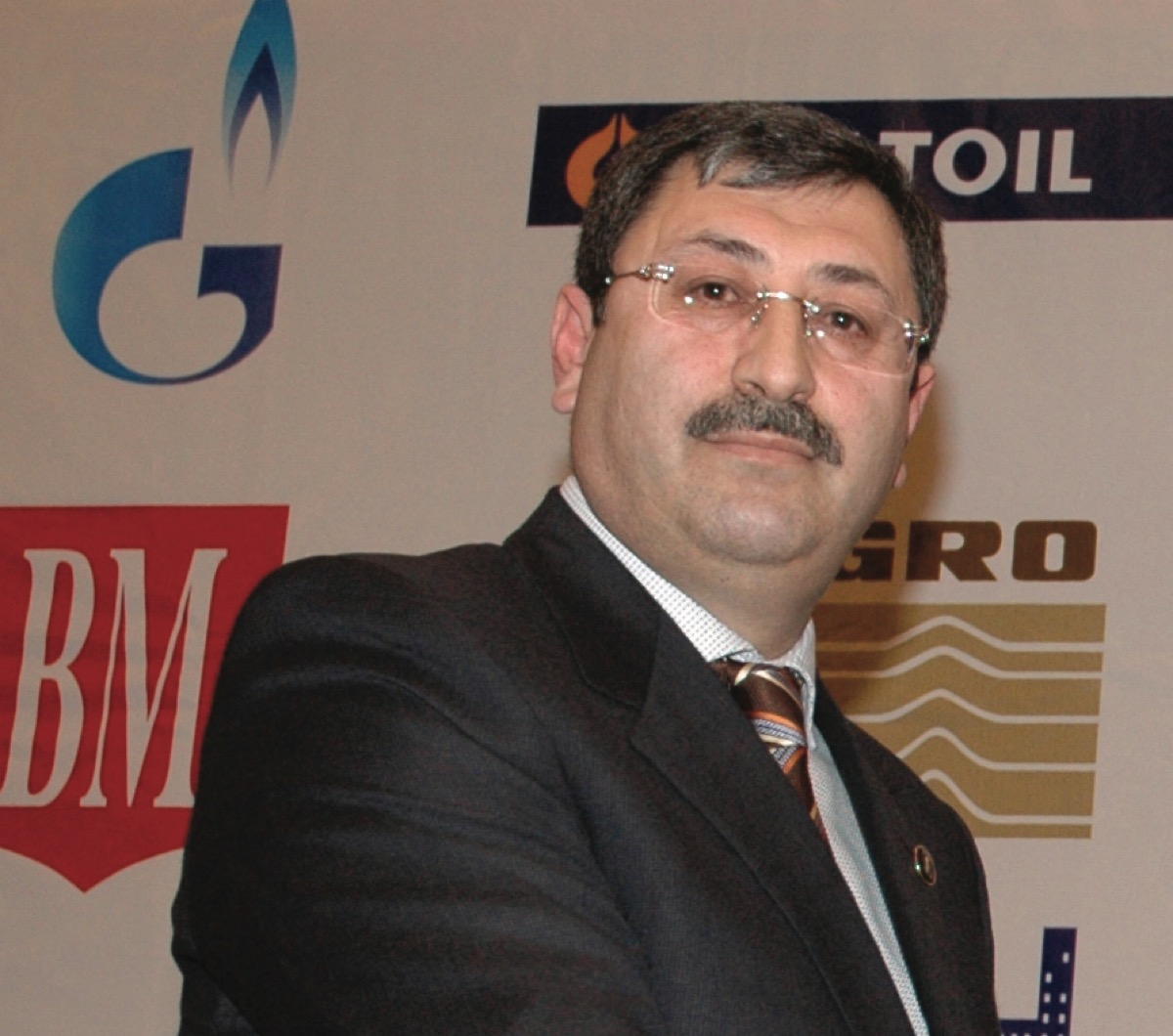
Caspian Energy (CE): How would you assess the readiness of the Convention on the legal status of the Caspian Sea? Which issues require solution and political will of heads of the Caspian States?
Khalaf Khalafov, Deputy Minister of Foreign Affairs of the Republic of Azerbaijan: As is known, the negotiations on development of the legal status of the Caspian Sea are continued in the five-sided format with participation of heads of states and ministers of foreign affairs, as well as in the framework of the special working group involving deputy ministers of foreign affairs of the Caspian states.
Special working group is involved in comprehensive development and preparation of the Convention on the legal status of the Caspian Sea for signing. This working group has started operating since 1996 and held 44 meetings so far. Meanwhile, there have been 4 summits of the heads of Caspian states held since 2002 in Ashgabat, Tehran, Baku and Astrakhan, all preceded by the meetings of foreign affairs ministers.
Astrakhan hosted the last summit in 2014 where the meeting participants decided to hold the next summit in Kazakhstan. In order to conduct the following Summit, we find it necessary to consolidate efforts aimed at reaching an agreement on the basic provisions of the Draft Convention.
Agreements and political decisions, obtained within the framework of summits of heads of states, made a strong contribution to coordination of basic principles of the Convention on the legal status of the Caspian Sea and promoted acceleration of further work over the draft Convention in general. Meanwhile, there are still discussions held on provisions of the draft Convention, which concern security and strengthening of mutual trust between coastal countries. Apart from this, there are many issues concerning methods of establishment of baselines, laying of subwater cables and pipelines, as well as rights and opportunities of coastal states which have no access to other seas and the global ocean.
Please login or subscribe to read the full article.
Login / Subscribe