


Dear ladies and gentlemen!
Energy should enable a stable and faster economic development and ensure a higher quality of life for all our citizens. However, to reach that goal many European countries (including Croatia) need to overcome dependence on external sources of energy and ensure diversification of energy sources. The European Union has done a lot in this regard, especially concerning the strengthening of its infrastructure and diversification of suppliers. Nevertheless, despite all these achievements, the Union remains vulnerable to external shocks. This is especially true for less integrated and connected regions, such as Baltics and Eastern Europe.
To improve energy security and make EU countries stronger, the European Union decided to work closely together. The European Union is committed to deliver cheaper, more sustainable and secure energy to European consumers. In that respect, significant financial resources will be invested in priority European energy infrastructure projects. One of them is an off-shore LNG terminal on the Croatian island of Krk. Once it is built, it will bring diversification to regions mostly dominated by one single source supply.
These regions, more precisely – twelve EU member states – are situated between three seas: Adriatic, Black and Baltic Sea. They endorsed The Three Seas Initiative as an informal platform for securing political support and decisive action on specific projects of strategic importance in energy, transportation, digital communication and economic sectors. Through expanding the cooperation in these sectors, Central and Eastern Europe will become more secure, safe and competitive, thus contributing to making the European Union more resilient as a whole.
In order to achieve these goals, especially in Central and South East Europe, the European Union cooperates closely with countries in the Caspian Region. The Southern Gas Corridor is strategic for the European Union, for its energy security and for its plans to diversify supply of energies. These new connection will bring great benefit to many areas, and to our standard of living. I’m glad to see that significant progress in Southern Gas corridor implementation has been achieved, and that Europe will start receiving Caspian gas in 2020. Certainly, it would not be possible without close cooperation with transit countries, and the important European energy partner – Azerbaijan, and its strong political leadership.
With regard to mutually beneficial cooperation between the EU and Azerbaijan, Croatia is determined to continue to cooperate in the energy sector, ensuring energy independence not only for itself but also for our neighbours. Croatia remains dedicated to common European goals, among which partnership with Azerbaijan has a special value.
Finally, allow me to congratulate the Caspian European Club on its 15th Anniversary and for the 100th jubilee issue of the Caspian Energy Journal.
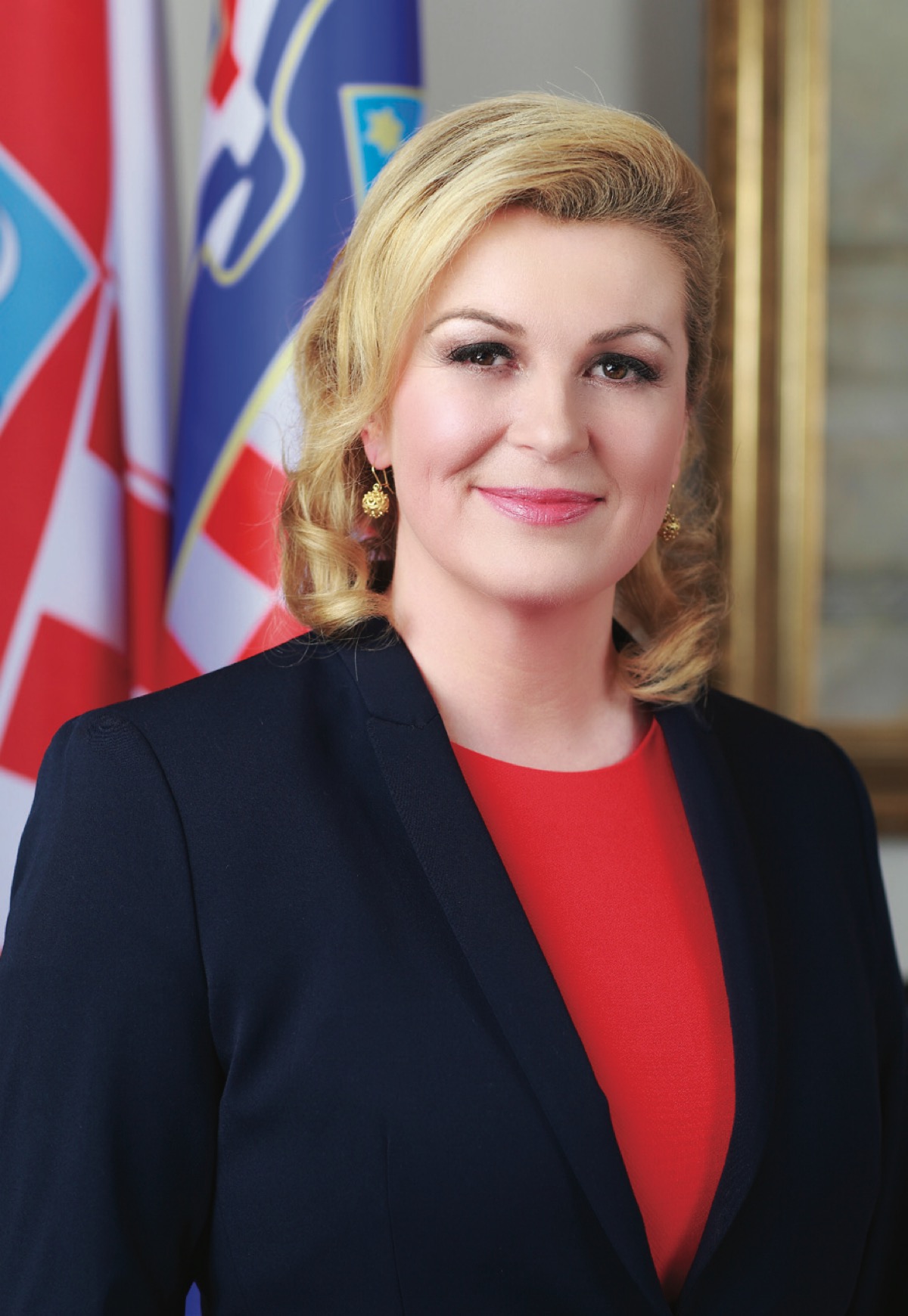
Kolinda Grabar-Kitarović
President of the Republic of Croatia
