


Caspian Energy (CE): Could you please tell about the plans of the National Office of Hydrocarbons and Mines of Morocco on development of the upstream sector? What do you think about the potential of this sector?
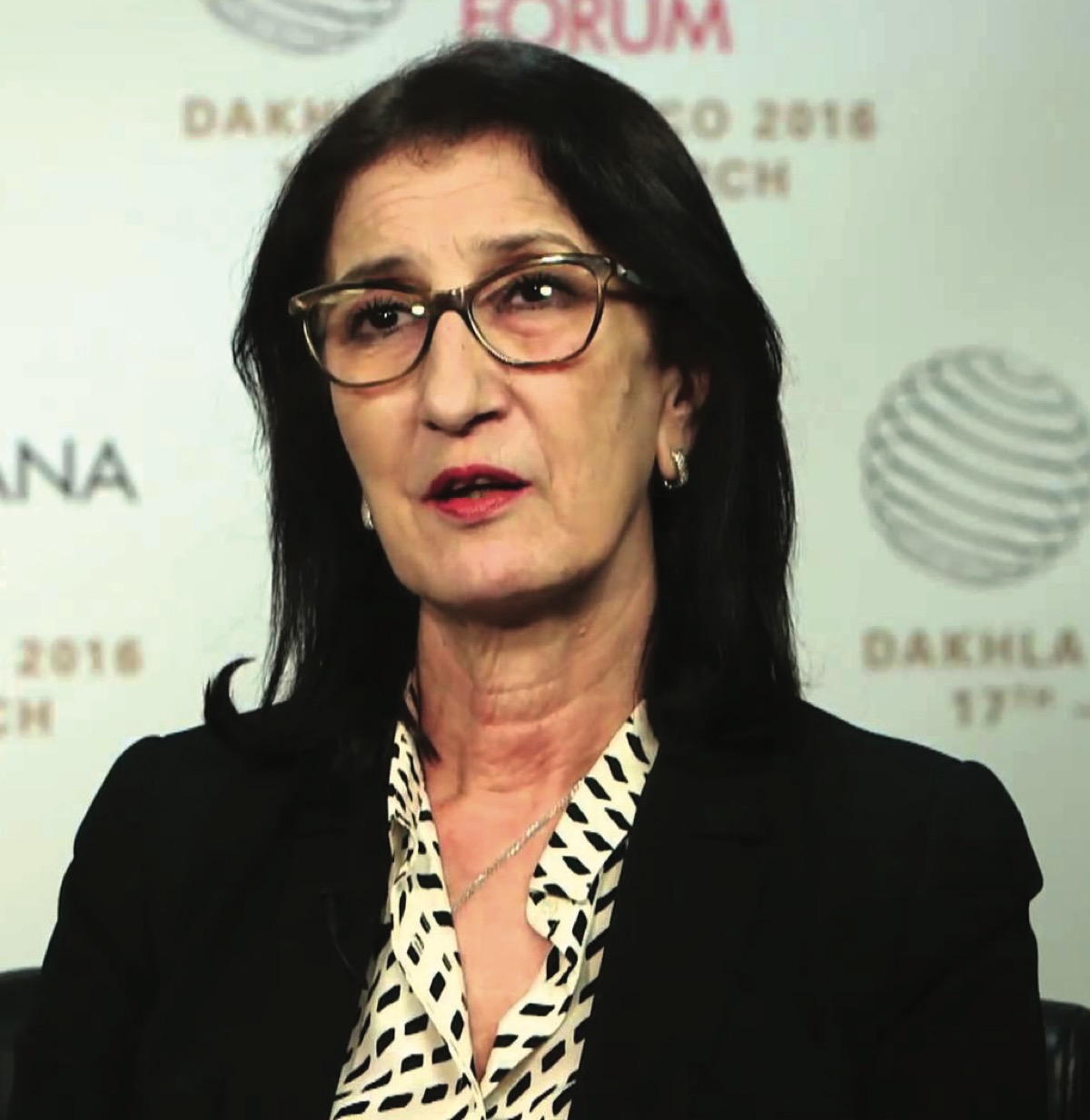
Amina Benkhadra, General Director of the National Office of Hydrocarbons and Mines of Morocco (ONHYM): ONHYM is pursuing with determination its assessment strategy for the Moroccan hydrocarbon potential. This strategy is based on two fundamental axes: intensifying the hydrocarbon exploration in our country by acquiring new seismic data and drilling wells to test new play concepts in collaboration with our partners; strengthening the dynamics of the opening to the world market, and the development of partnerships, as an integral part of the policy of promotion of Morocco’s hydrocarbon resources.
Oil and gas industry experts and international companies operating in our country, agree that the Moroccan sedimentary basins have a rich and varied geology, and petroleum systems that are potentially favorable for hydrocarbon accumulation.
In onshore in the Rharb Basin, one of the areas of the first commercial discoveries in Morocco, SDX Energy has made several commercial gas discoveries since 2008. Due to solid infrastructures and local industrial demand, the small and shallow fields discovered to date have proved profitable.
Similarly, the Rif mountains folded belt in Northern Morocco was a hydrocarbon-producing province until the 1950’s. Exploration in the area is now concentrated on the deeper reservoirs and also moving to the almost completely unexplored area.
The Tendrara area represents a new spot for hydrocarbon exploration in Morocco (North- East of Morocco). Sound Energy has announced very encouraging results after a successful drilling campaign, and will start soon production.
The Essaouira onshore area is another producing basin for oil, gas and condensates with 7 oil and gas fields from the sixties.
At the opposite end of the country is the large, almost unexplored, Zag Bas Draa Basin, the westernmost extension of the prolific Paleozoic basins which extend right across North Africa. The basin extends over 95,000 km2 with very limited seismic coverage and only 25 wells, most of them are shallow, and all drilled between 1959 and 1964. With over 6 km of Paleozoic, including Silurian hot shale, Devonian and Carboniferous, this basin could well hold untapped potential.
Overall, the investment is not sufficient in relation to the extent of the available sedimentary basins, the current well density in Morocco remains very low with 0.04 wells per 100,000 Km², compared to the global average of 10 wells per 100,000 square kilometers. We are currently going through an important stage in terms of investment works in upstream exploration, and we must maintain these activities to be able to make new discoveries.
Please login or subscribe to read the full article.
Login / Subscribe