


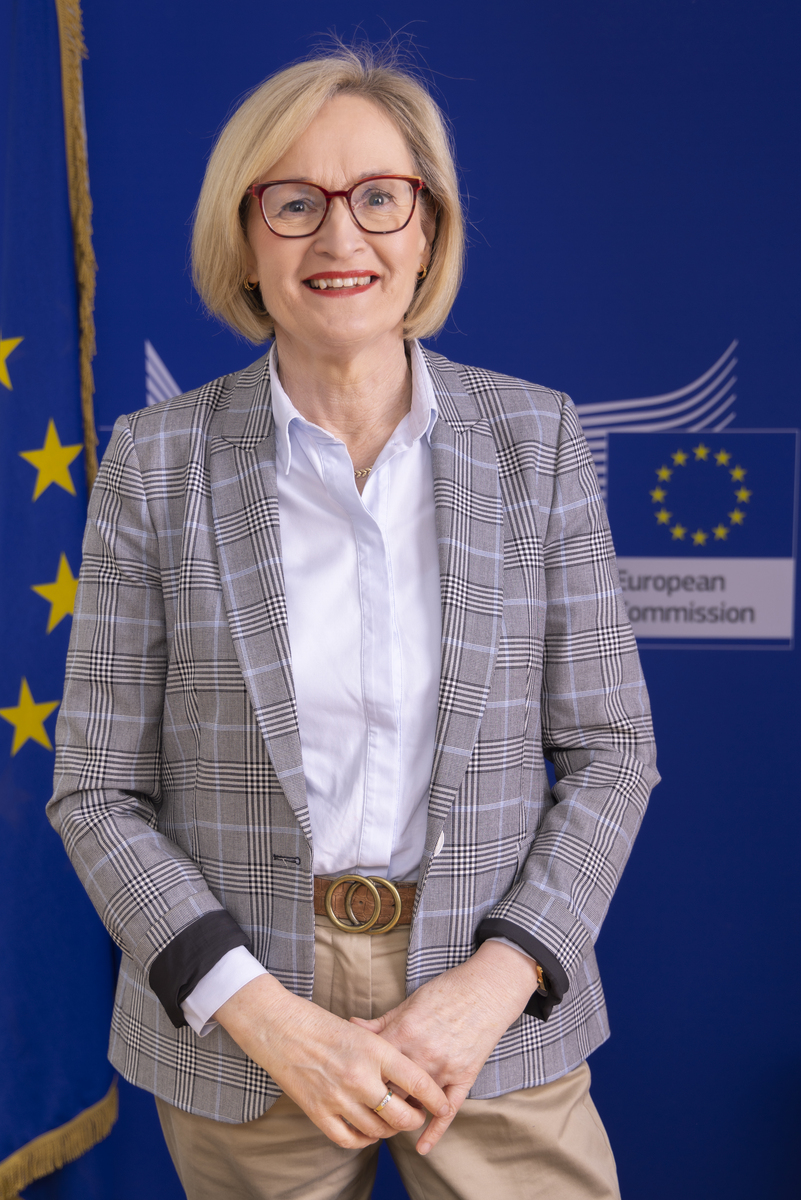
Caspian Energy (CE): EU plans to become climate-neutral by 2050. Will it be public or private investments playing a major role in achieving this goal during the transition period? What measures have been taken or conditions were set up to mobilize funding to support the energy transition?
Mairead McGuinness, European Commissioner for Financial Stability, Financial Services and the Capital Markets Union: The EU will need additional investments of over EUR 620 billion annually to meet the objectives of the Green Deal and RepowerEU, along with investments of EUR 92 billion until 2030 to meet the objectives of the Net Zero Industrial Act. Public funding will play a role – but the scale of investment required is beyond the capacity of the public sector acting alone. That’s why we have sustainable finance: to channel private financial flows into economic activities that support the transition to sustainability.
Private interest in sustainable investment has grown considerably in recent years but requires rules and guidelines for sustainable finance that are clear, consistent, and robust. To that end, the EU has put in place three pillars:
- First, the EU Taxonomy: this is a detailed glossary on sustainable economic activities. It aims to support investors to finance transition and sustainable projects that substantially improve the environmental performance of activities across all key economic sectors. By clearly defining what is aligned with EU environmental goals, the EU Taxonomy seeks to encourage companies to launch new projects, or upgrade existing ones, to meet these criteria. Alongside the Taxonomy, an important step towards fighting greenwashing and other types of misinformation was the adoption in June of a proposal on the transparency and integrity of ESG rating activities.
- Second, disclosures: Through the Sustainable Finance Disclosure Regulation and the Corporate Sustainability Reporting Directive, the EU has also put in place a comprehensive disclosure regime impacting the whole financial sector to increase transparency about environmental, social and governance (ESG) impacts, risks, and opportunities and following a double materiality approach. The forthcoming European Sustainability Reporting Standards will contribute to completing this framework by enabling companies to communicate sustainability information in a standardised and proportionate manner, and accordingly facilitate their access to sustainable finance.
- Third, a set of investment tools: such as the EU Green Bond Standards and the EU Climate Benchmarks which aim to support financial market participants in their efforts to align their investment strategies with the EU’s climate and environmental goals.
We are now focusing on completing this framework, while at the same time ensuring it works effectively to help the real economy in the transition. Our objective is to keep environmental ambition high and related burdens low, ensuring the long-term competitiveness of our companies.
Please login or subscribe to read the full article.
Login / Subscribe