


The world will need natural gas for decades to come. It is part of the solution to the energy trilemma, GECF Secretary General affirms.
Caspian Energy (CE): Your Excellency, you visited Azerbaijan for the second time last June and delivered an important speech at the Baku Energy Week. How important is Azerbaijan for your organisation, the Gas Exporting Countries Forum?
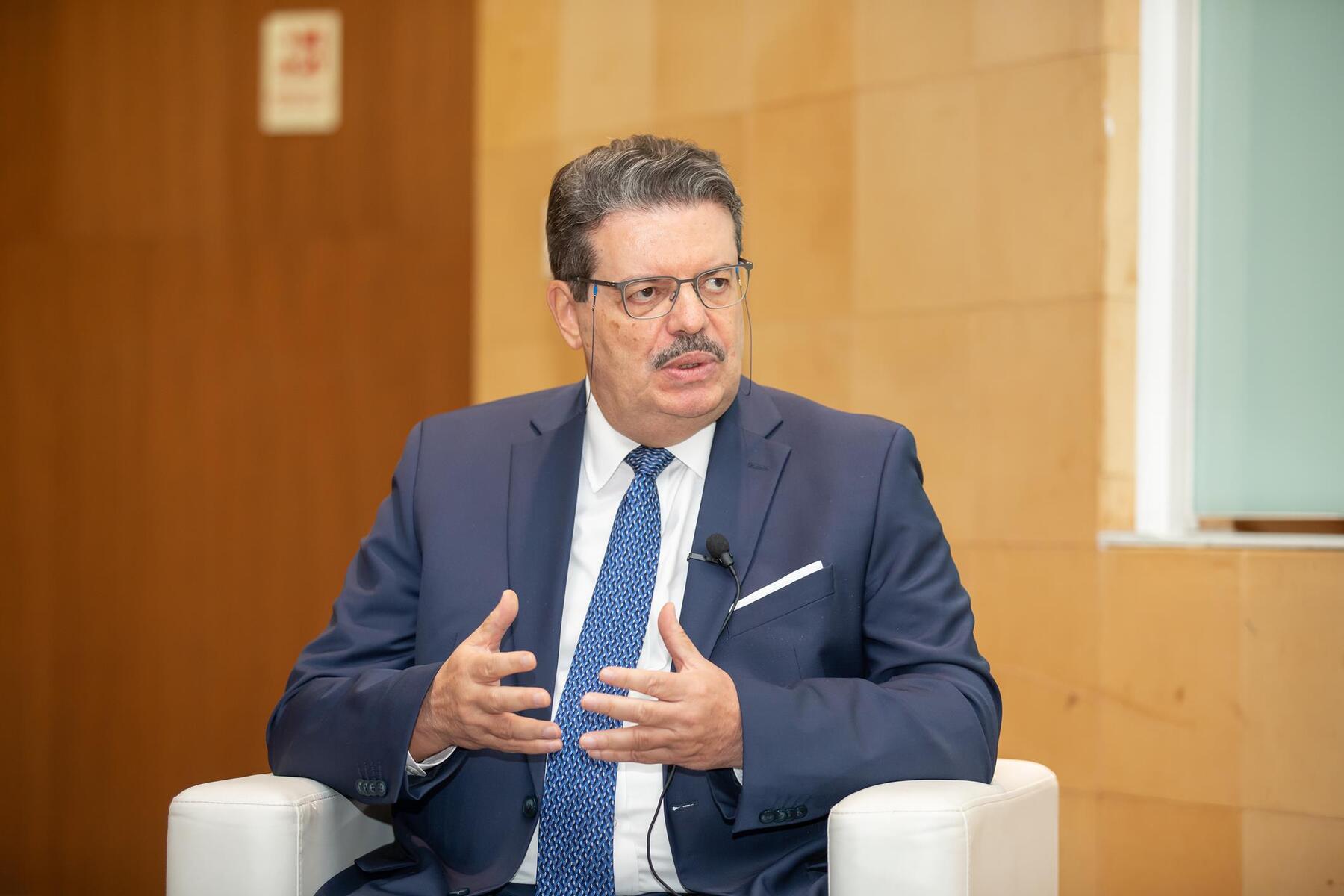
H.E. Eng. Mohamed Hamel, Secretary General of the GECF: Indeed, I recently had the pleasure of returning to the historic city of Baku, the birthplace of the oil industry. Azerbaijan is a key member of the Gas Exporting Countries Forum (GECF), an intergovernmental organization comprising 20 countries that collectively represent approximately 70% of the world’s gas reserves and 40% of marketed production.
Azerbaijan has long been a pivotal player in the global energy sector, beginning with oil, progressing to natural gas, and now actively diversifying into renewable energy. Through its balanced and smart energy strategy, leveraging the synergy between natural gas and renewables, it significantly contributes to global energy security and sustainability.
Furthermore, Azerbaijan’s selection as the host of COP29 is a testament to its growing leadership in the transition to a more sustainable energy future, and the international community’s trust in its ability to organize large-scale global events. During my visit in June, I had the distinct pleasure of engaging in fruitful discussions with the Minister of Energy, Parviz Shahbazov, and the Minister of Ecology and Natural Resources and COP29 President Designate, Mukhtar Babayev. I conveyed the full support of the GECF for the success of COP29. We will actively participate in the event, notably through a dedicated pavilion, to highlight the essential role of natural gas in providing affordable, reliable, and sustainable energy, emphasizing its crucial role in orderly, equitable, and economically viable energy transitions.
Please login or subscribe to read the full article.
Login / Subscribe