



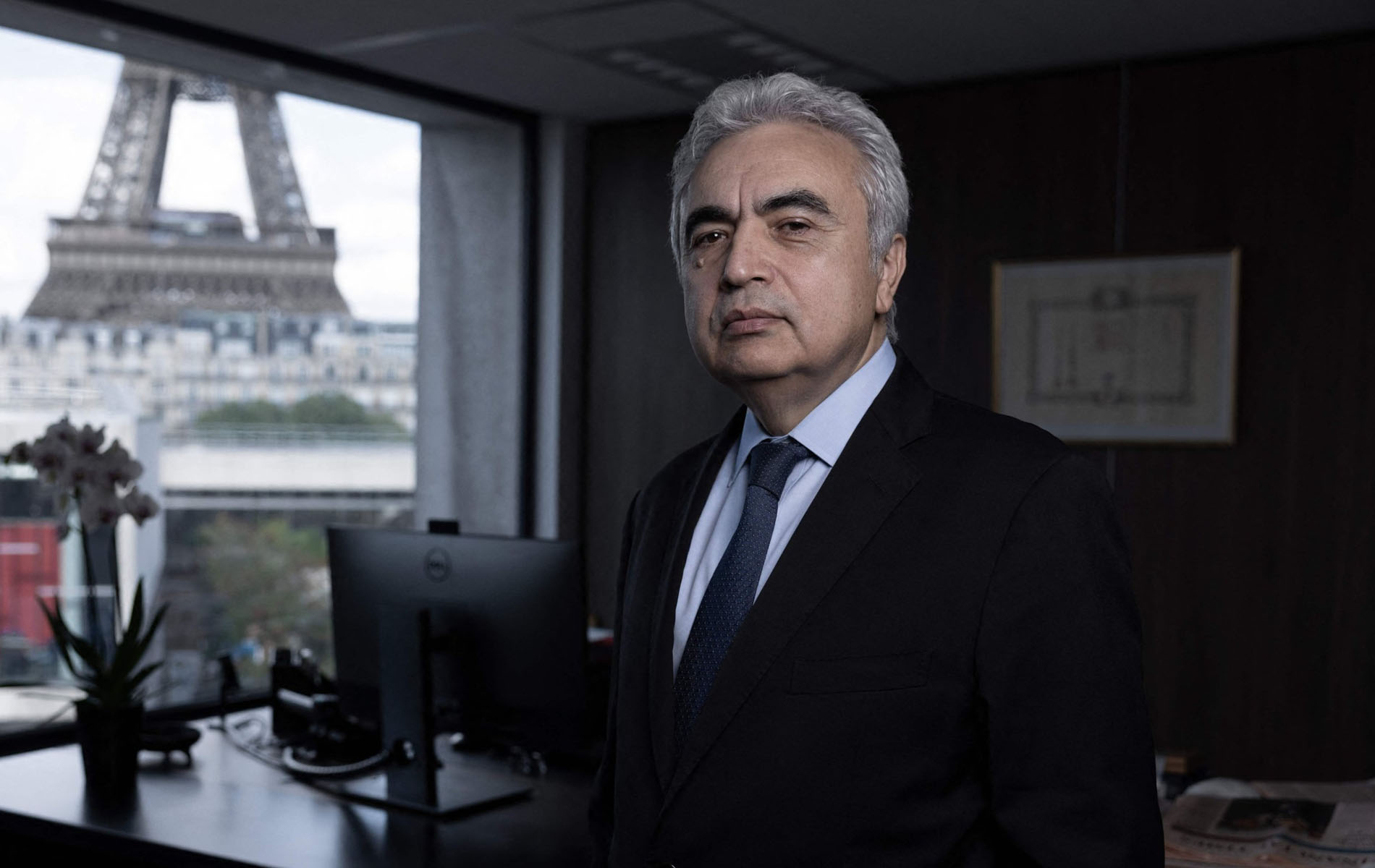
Caspian Energy (CE): Dr. Birol, what are your reflections on the outcomes of COP29, and how do they shape the global energy landscape moving forward?
Fatih Birol, Executive Director of the International Energy Agency (IEA): At COP29, countries had an important opportunity to build on the major energy commitments made at COP28. To set them up for success, the IEA shared our latest energy data, analysis and policy advice and hosted a second round of High-Level Energy Transition Dialogues in partnership with Azerbaijan’s COP29 Presidency. These valuable meetings brought together leaders from government, industry and civil society to help build consensus on key issues ahead of the Baku summit.
The Dialogues established crucial momentum towards the COP29 Global Pledge on Energy Storage and Grids, with countries endorsing a collective goal to deploy 1,500 gigawatts (GW) of energy storage in the power sector globally by 2030, and to add or refurbish 25 million kilometres of electricity grids by the same year. IEA analysis has shown, this is essential to achieving the COP28 objective of tripling global renewable energy capacity by 2030 – and to meeting rapid growth in electricity demand more broadly.
It was also encouraging to see countries commit to scaling up financing for emerging and developing economies so they can accelerate clean energy investment. Drawing on our deep analysis on this topic, the IEA is supporting efforts ahead of COP30 to develop a roadmap for reaching the target that was set. Our analysis shows that to meet global emissions reduction objectives, clean energy investment in emerging and developing economies needs to rise sixfold over the next decade.
The pledges made at COP28 and COP29 could transform the energy landscape. But much will depend on what actions are taken now to make these promises a reality.
Please login or subscribe to read the full article.
Login / Subscribe