


Caspian Energy (CE): What are the key priorities of Morocco’s energy transition strategy in the short and medium term?
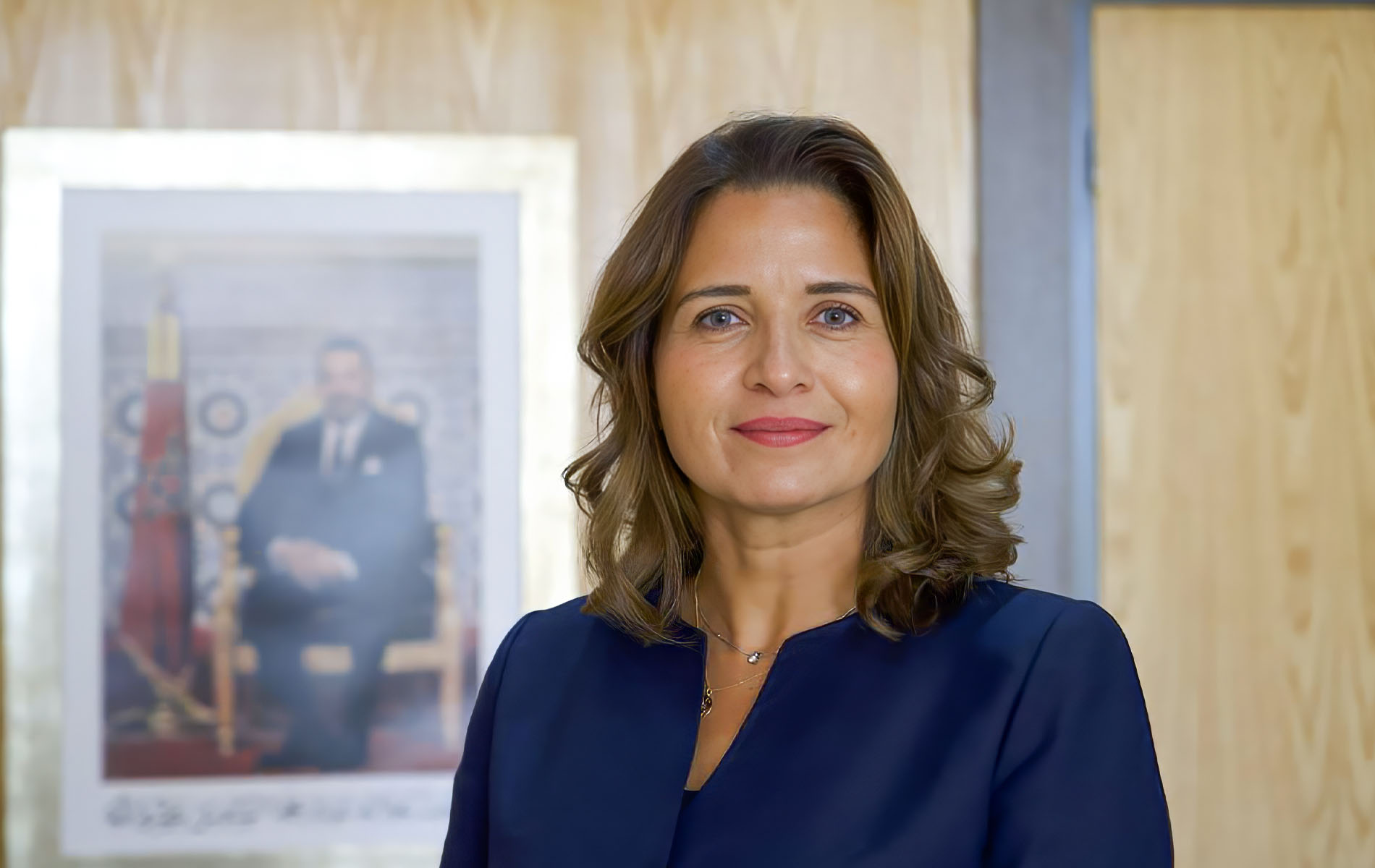
Leila Benali, Minister of Energy Transition and Sustainable Development of Morocco: For over 20 years, Morocco has made energy transition a pillar of its economic growth and sustainable development. Guided by the High Royal Directives of His Majesty King Mohammed VI, the country has deployed a comprehensive national strategy focused on renewable energy, energy efficiency, local resource use, and regional integration.
Thanks to clear programs and institutional reforms, Morocco has transitioned from full dependence on fossil fuel imports to becoming a major renewable energy producer. The national goal is to exceed 52% of installed electricity capacity from renewables by 2030, marking a historic shift toward a greener energy mix.
To achieve this, Morocco is implementing key measures such as strengthening energy sector governance through institutional reforms; quadrupling investments in renewable energy; enhancing grid flexibility to accommodate intermittent renewables, with annual investments expected to increase fivefold; promoting local industrial integration through R&D and innovation; and continuously upgrading the legal framework to attract private investment and keep pace with sectoral changes.
CE: How is Morocco working to balance energy security with its ambitious renewable energy goals?
Leila Benali: For Morocco, security and sustainability are two sides of the same coin: scaling up clean power and green hydrogen, building institutional support, and using renewables to supply water too. It marks a strong regional model for sustainable and secure energy transition. Morocco has adopted a progressive approach based on the principle of risk diversification, under which:
• Installed electricity capacity has exceeded 12 GW, including 5.5 GW from renewable sources. The progress is tangible, from 2021 to 2025, the share of renewables grew from 37% to more than 45% of installed capacity.
• The production-focused investment program plans to exceed the strategic objective of 52% of installed capacity from renewable energies by 2030.
• Morocco continues to accelerate with a forward-looking power generation program aiming to add 15.6 GW by 2030, over 80% of which will come from renewable sources, with an estimated budget of US$12 billion. We are tripling our annual investments in renewable energy projects and increasing investments by fivefold in both electricity networks and flexible storage systems to facilitate the large-scale integration of clean energy.
CE: What role does green hydrogen play in Morocco’s long-term energy transition plan?
Leila Benali: The increasing competitiveness of renewable energy opens up promising new prospects for the Kingdom, particularly in the areas of seawater desalination and the emerging sector of green hydrogen and its derivatives.
In line with the High Directives of His Majesty King Mohammed VI, the “Morocco Offer” in the green hydrogen sector has been developed. It covers the entire value chain of this sector in Morocco. It is based on a competitive infrastructure that is planned, developed, and maintained according to the highest international standards and the needs of the green hydrogen industry.
The “Morocco Offer” for green hydrogen crowns 15 years of experience in the development of renewable energy and over 30 years of attracting the private sector in the energy field. It is a clear roadmap for investors, supported by streamlined procedures, including access to land. It is also a vector for decarbonization and is in line with Morocco’s commitment to international efforts in the field of climate.
The “Morocco Offer” follows a global, pragmatic, and transparent approach, providing investors with a clear vision. One million hectares of land have been identified, with 300,000 hectares made available to investors in the first phase. Since green hydrogen is still an emerging sector, the state has adopted a phased approach to maintain the flexibility required to adapt to technological, legislative, regulatory, and market developments.
CE: What message would you like to share with the international community regarding Morocco’s contribution to global climate and energy goals?
Leila Benali: Morocco reaffirms its unwavering commitment to the global fight against climate change and its active role in achieving shared climate and energy objectives, particularly those outlined in the Paris Agreement and the 2030 Agenda for Sustainable Development. Guided by the visionary leadership of His Majesty King Mohammed VI, the Kingdom has placed the energy transition at the heart of its national priorities and made a strategic choice to adopt a resilient, inclusive, and low-carbon development model.
The keys to the success of Morocco’s energy transition model are based on the following pillars:
• Strong political leadership: Public policy on clean energy is driven by the highest authority in the country, as part of a comprehensive vision for sustainable development across energy, agriculture, fisheries, water management, and natural resource preservation.
• Morocco’s geopolitical positioning, which gives it a key role as a major player in the integration of regional energy markets.
• A clear energy vision: Since 2009, Morocco has set well-defined objectives that have been translated into concrete action plans with precise targets.
• Innovative financing and partnership models that ensure a clear legal and institutional framework, providing legal certainty for investors and financial partners.
• Opening of the renewable electricity market to private investors. Over 30 years of experience in attracting private financing in energy.
Beyond infrastructure and policy, Morocco is also committed to knowledge sharing and South-South cooperation. The Kingdom offers its experience in renewable energy planning, project implementation, and regulatory innovation to fellow developing countries, particularly in Africa, as part of a broader effort to promote climate justice and energy access for all. In this context, Morocco calls on the international community to amplify climate finance flows, improve technology transfer, and foster just and equitable transitions in line with the principles of common but differentiated responsibilities. The Kingdom stands ready to be a bridge between the North and the South, a hub for clean energy cooperation, and a credible, constructive voice in the glo-bal climate dialogue.
Thank you for the interview.
