



Caspian Energy (CE): What strategies are being implemented to attract foreign investment and promote industrial growth in the Republic of South Africa?
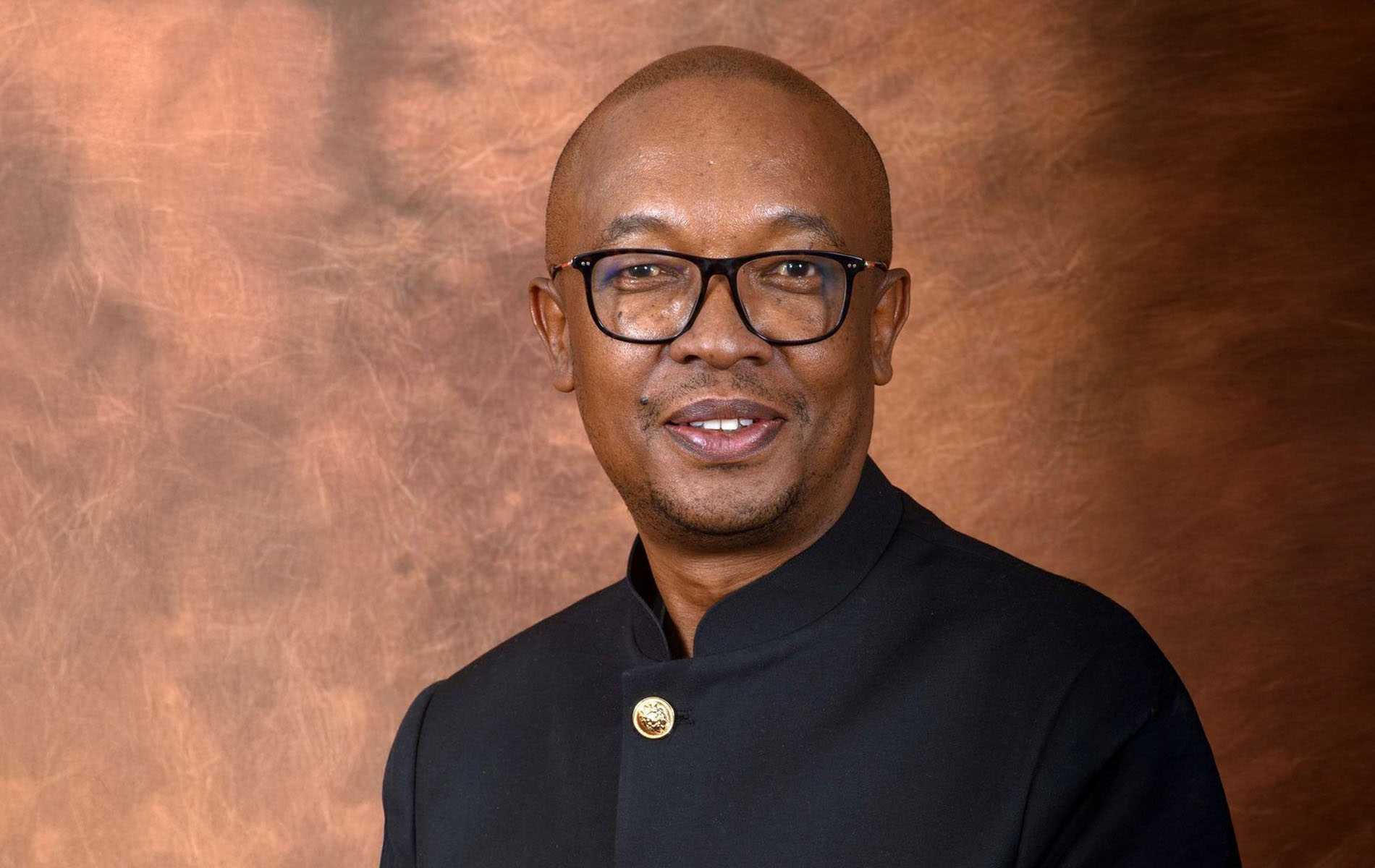
Mpho Parks Franklyn Tau, Minister of Trade, Industry and Competition of the Republic of South Africa: The Republic of South Africa has been on an aggressive Foreign and Domestic Investment drive. We have developed an investment project book worth about R700 Billion. This book is a living document and can be updated at any time. We have identified key sectors for investment that we believe will drive growth in our economy. These include, but are not limited to, green hydrogen, renewable energy, pharmaceuticals and infrastructure among others. We are undergoing a legislative process to identify and unlock regulatory bottlenecks that hamper investment and increase red-tape. It is our hope that this will ease the process of doing business in South Africa.
We are repositioning our Development Finance Institutions to become agents of industrial growth and economic development, creating and supporting new industries with potential for long term success. This work is important in future proofing the South African economy.
We have also identified the digital economy as a critical part of our industrialization efforts, including the rollout of Digital Public Infrastructure and the use of smart technology in manufacturing processes.
South Africa is open for business.
CE: How is South Africa leveraging its critical mineral resources to drive industrialization and economic development?
Mpho Parks Franklyn Tau: Together with the Department of Mineral and Petroleum Resources, we have developed the country strategy for critical minerals, which includes the designation of these minerals. This strategy aims to create value addition to our minerals as close to the source as possible. It also considers the need to develop regional value chains with our partners on the African continent, enabling us to maximize value for our neighbors. We are also focusing on the minerals that will power the new energy and decarbonization technologies of the future.
We believe that our minerals are critical in reindustrializing the South African economy.
CE: How is the Department of Trade, Industry and Competition engaging with global partners to navigate current trade challenges and opportunities?
Mpho Parks Franklyn Tau: The international multi-laterals trading system is facing one of its greatest challenges to date. The system, underpinned by the principles of international trade law and the WTO, is under threat. South Africa believes that the multi-lateral trading system, with the WTO at its centre, must endure for the developmental objectives of the system to bear fruits. There is undoubtedly a need for reform but that can only happen when we work towards a common purpose of equality.
We are doing our best to reaffirm our existing trade relations and secure our historic partners, including the United States as a key trading partner, while diversifying our trade partners to ensure that we have resilience in our economy. South Africa remains a steady and reliable trading partner for all who are willing to work with us.
CE: How is South Africa cooperating with the European Union to enhance trade relations and industrial development?
Mpho Parks Franklyn Tau: The European Union is one of our most critical markets, as we export a large amount of manufactured goods to the region. We have recently concluded a Clean Trade and Investment Partnership which has an initial R90 billion committed for reframing the way South Africa does trade with the EU. We believe that this is important as we decarbonize our economy.
South Africa is also working with EU member states like Germany to create value in our green economy projects, like the production of Sustainable Aviation Fuel through a flexible allocation model.
We are hopeful that the EU will remain our trade partner in the future.
Thank you for the interview.
